Jun 4, 2026
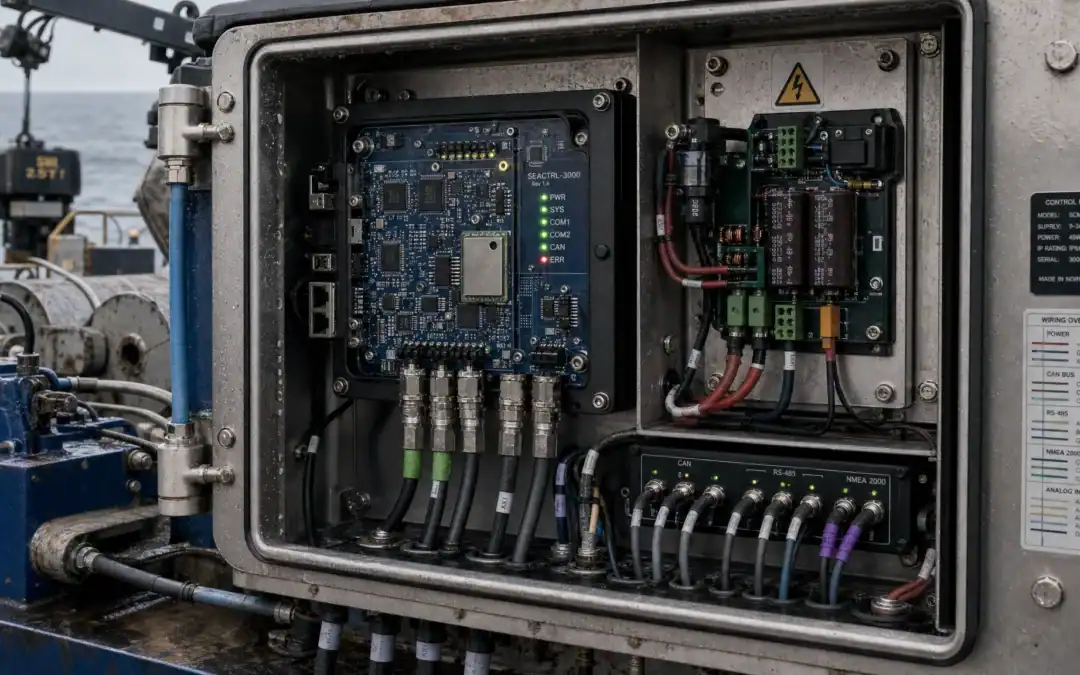
Embedded systems are often judged by what they do in a prototype: read a sensor, drive a motor, transmit data, process signals or control a machine function. In professional products, however, the real test starts outside the lab. Heat, vibration, electrical noise,...
Jun 2, 2026
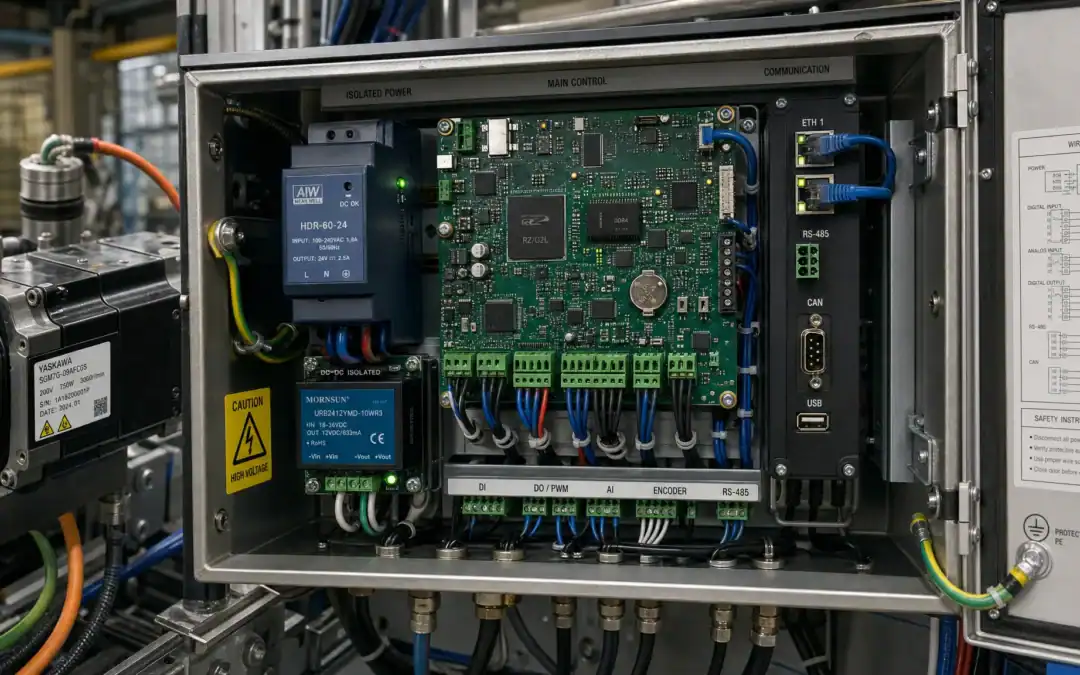
Embedded systems sit at the point where product ideas become controlled behaviour. In a machine, they synchronise motion and monitor sensors. In a vehicle, they manage power, communication and safety-related functions. In a connected device, they turn user input,...
May 30, 2026
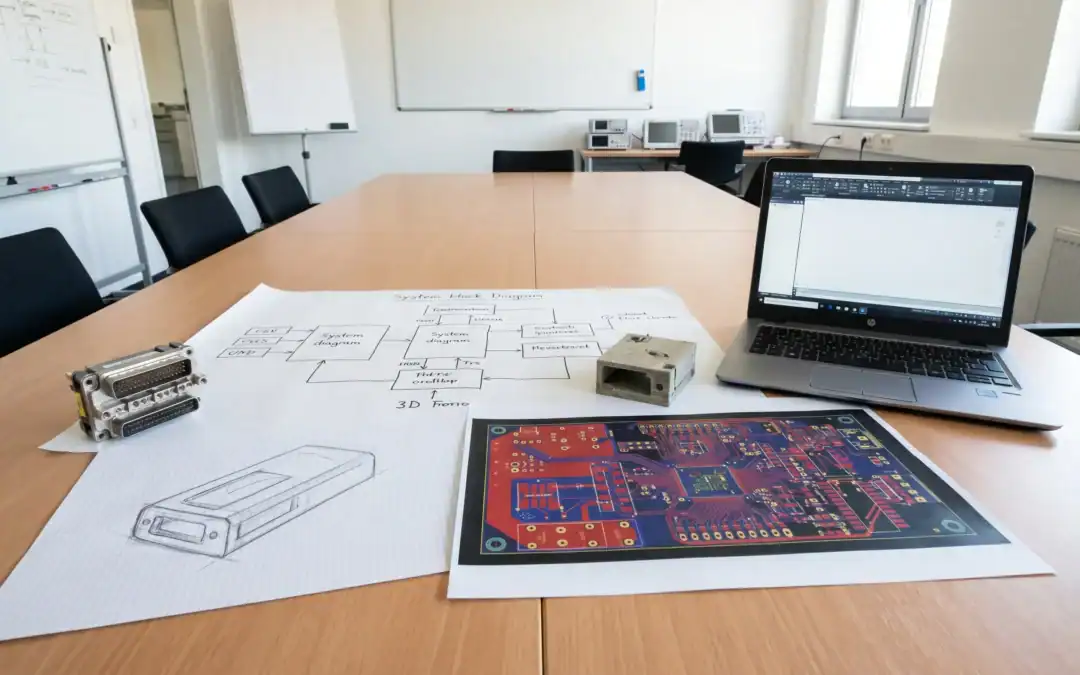
For many OEMs, custom electronics design starts too late. Not because the project team waits too long to contact an electronics partner, but because the first conversations focus on circuits, components or PCB dimensions before the product problem is fully defined. A...
May 28, 2026
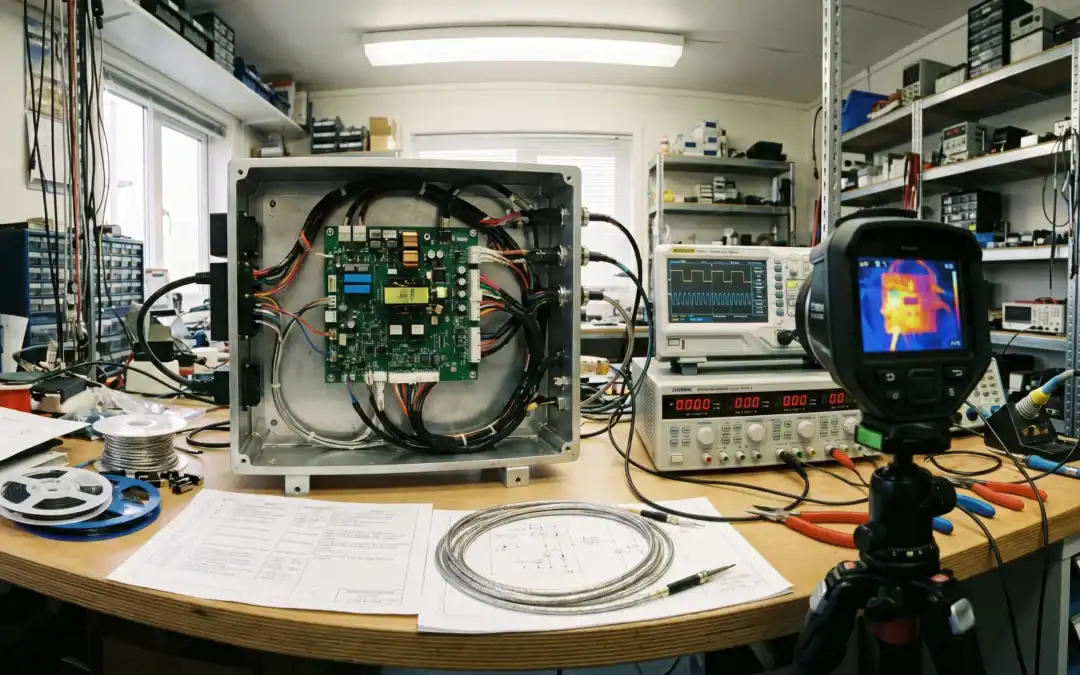
Power electronics often look successful in the lab long before they are ready for the field. A converter regulates at nominal load, a motor drive spins the actuator, a battery interface charges correctly, and the first PCB passes basic functional checks. The real test...

May 26, 2026
Preparing a PCB design for prototyping and volume build is not a handover activity at the end of layout. It is a system engineering task that starts when requirements, architecture and manufacturing intent are still being defined. A prototype can prove that an...