Jun 14, 2026
A system on chip can make an embedded product smaller, faster and more capable, but it also moves many design decisions into the earliest architecture phase. For OEMs building machines, robotics, maritime equipment, automotive electronics, connected devices or...
Jun 12, 2026
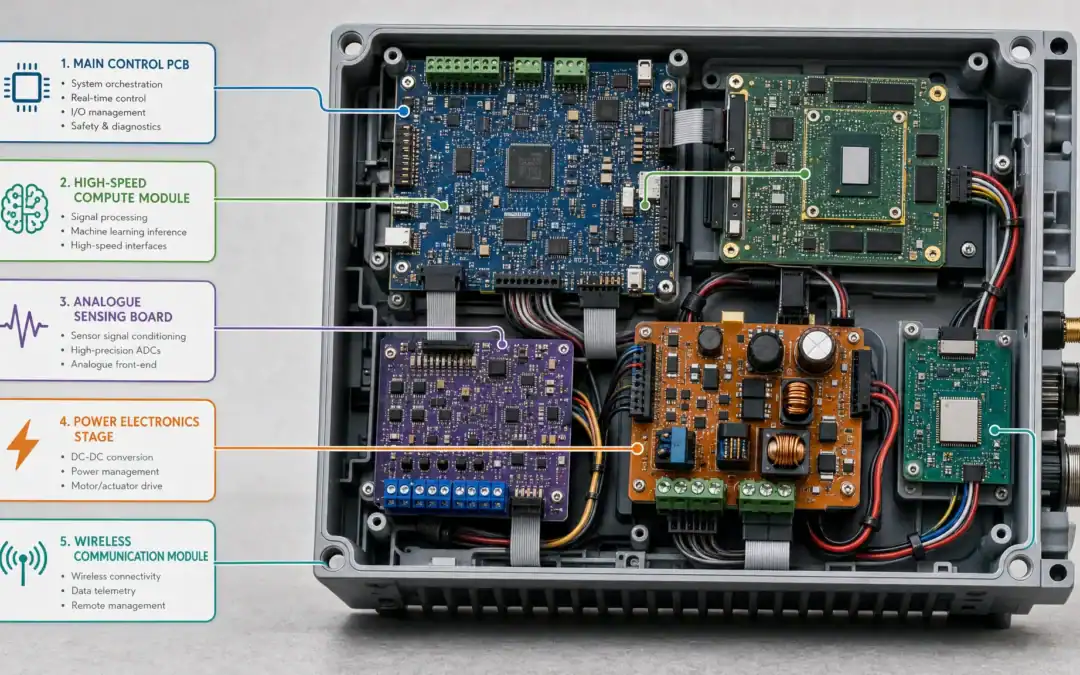
Performance in embedded products is no longer achieved by choosing the fastest processor and building the rest of the design around it. Modern machines, vehicles, instruments and connected devices often need to sense, control, communicate, protect, analyse and update...
Jun 10, 2026
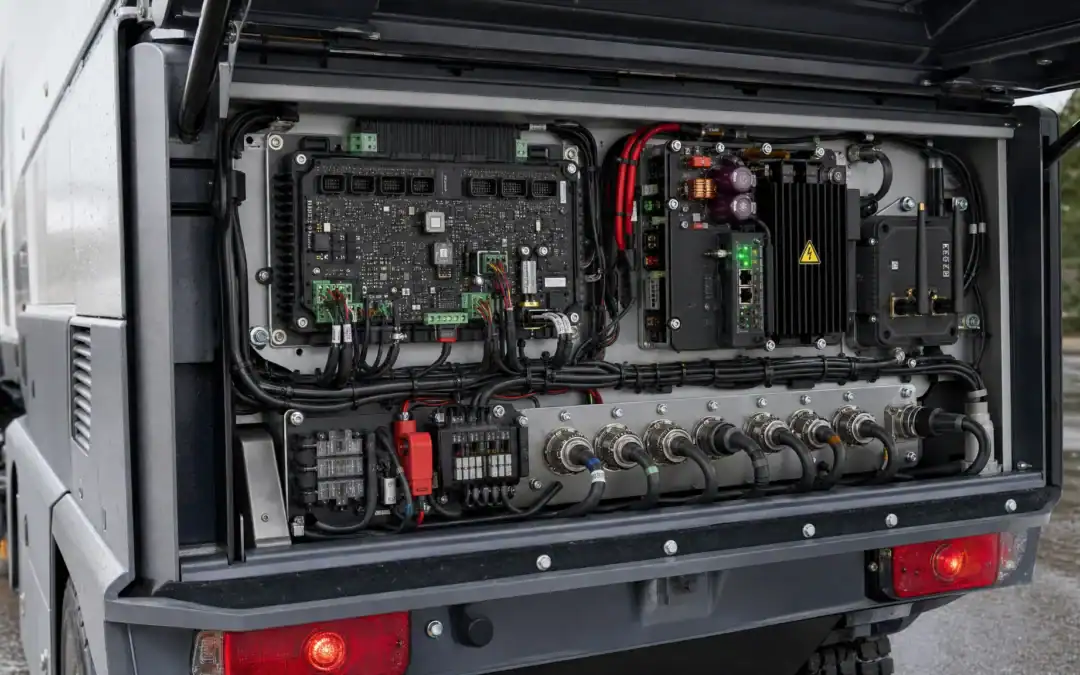
An embedded system is easy to define in one sentence, but harder to design well. In computer science, it is a computing system built into a larger product, designed to perform a specific function, often under strict constraints for timing, power, safety, size, cost...
Jun 8, 2026
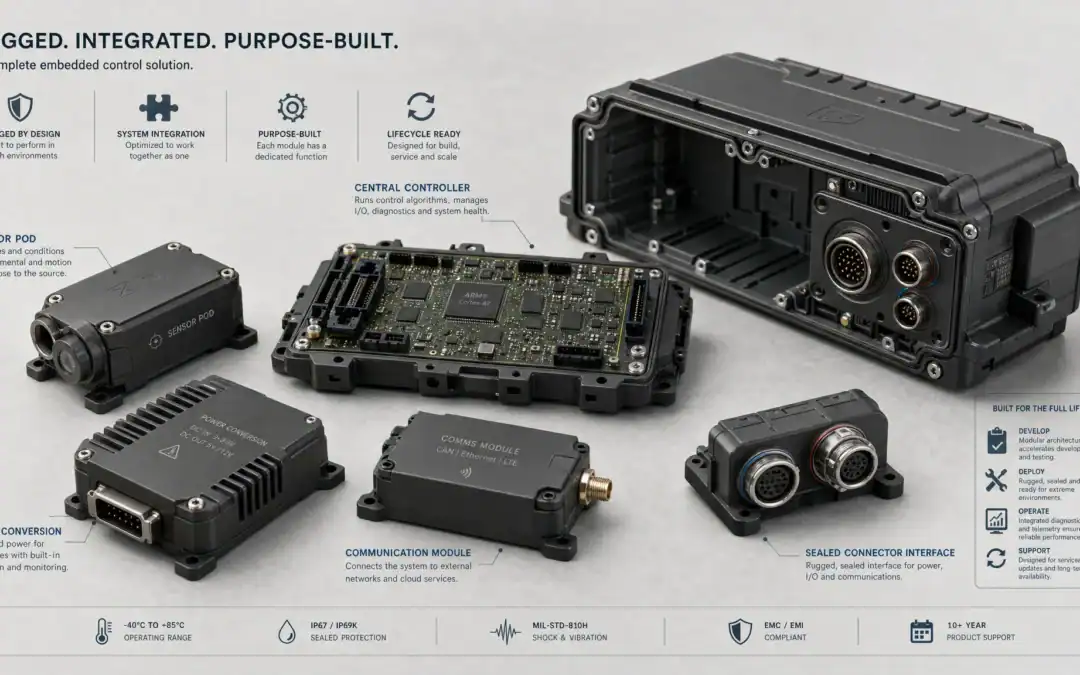
An embedded device is a purpose-built electronic product that contains computing hardware and firmware to perform a defined function, usually as part of a larger machine, vehicle, instrument or connected product. Unlike a general-purpose computer, it is not designed...
Jun 6, 2026
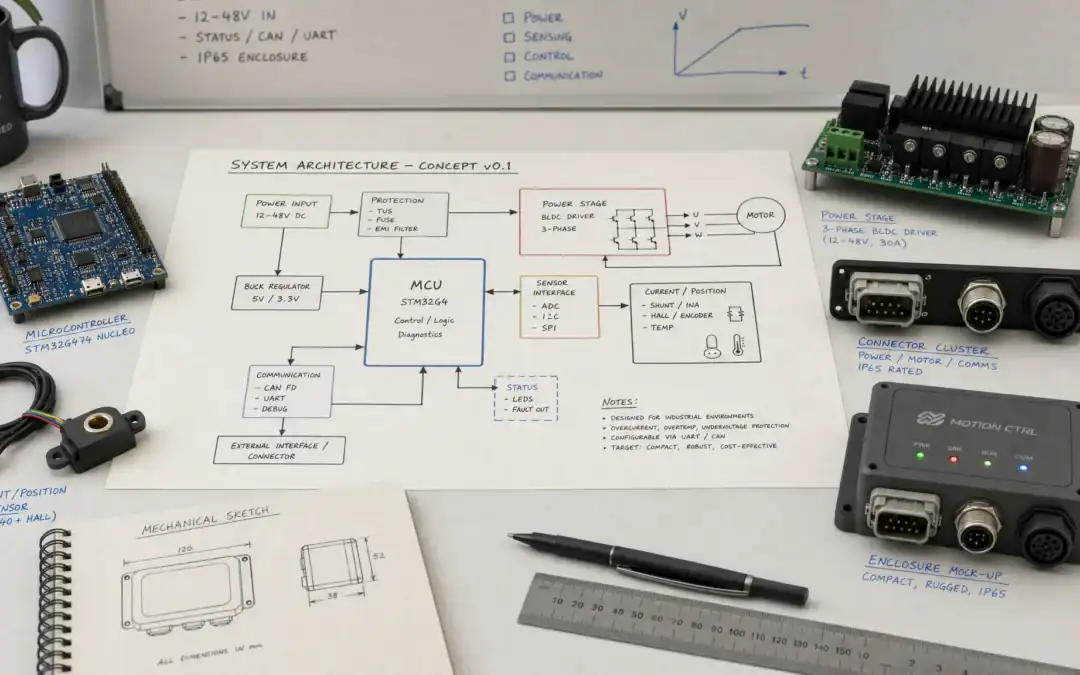
For many teams, the first answer to “what is an embedded system?” is technically correct but commercially incomplete. It is often described as a computer built into a larger product. That definition is useful, but it does not explain why embedded system decisions can...