Aug 28, 2026
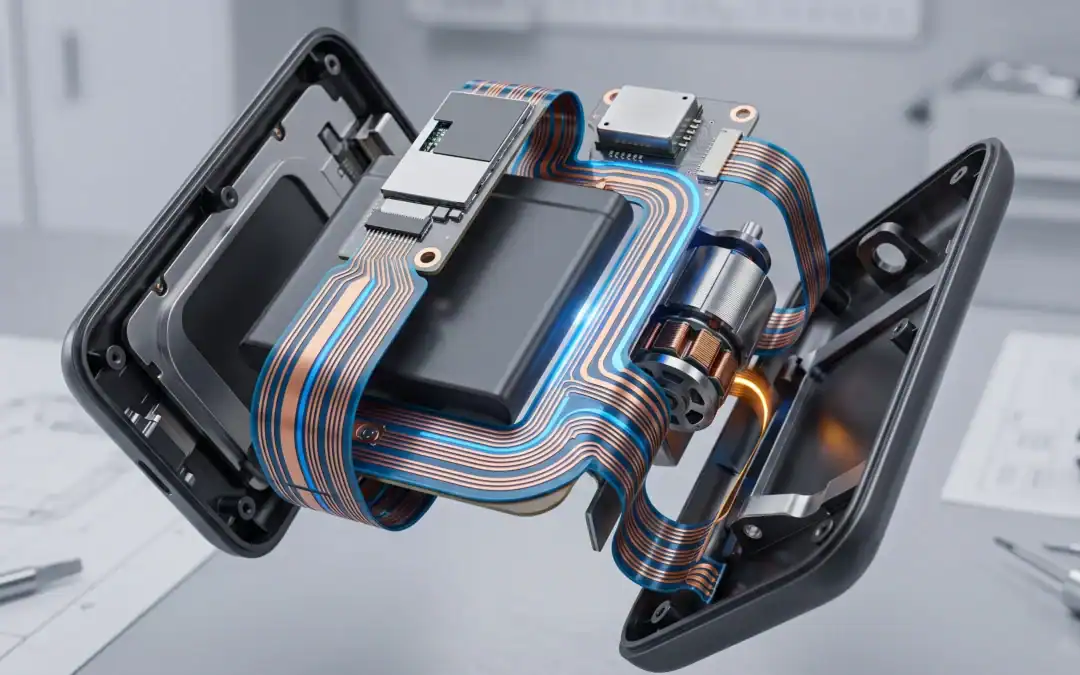
For compact electronic products, flex PCBs are rarely a simple packaging trick. They can remove connectors, fold circuitry around mechanical features and help fit sensors, displays, batteries or antennas into places where a rigid board cannot go. In high-tech...
Aug 25, 2026
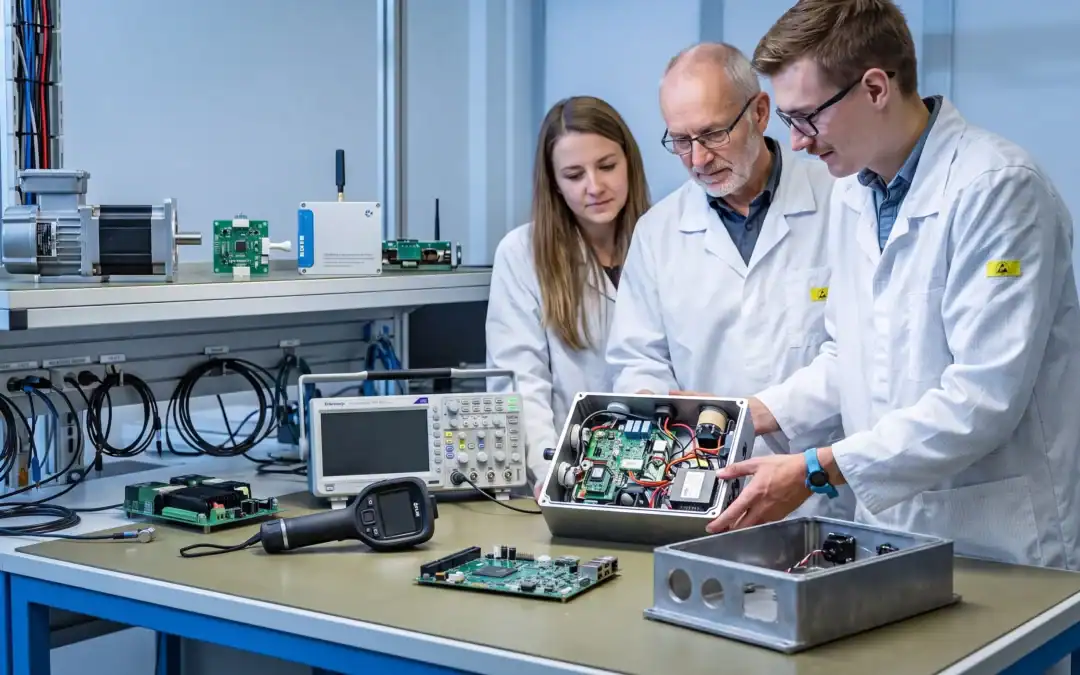
Embedded system examples are often used to explain a basic definition: a thermostat, a car control unit or a washing machine controller. That is useful, but it is not the most valuable lesson for product development teams. For engineering managers, CTOs and product...
Aug 23, 2026
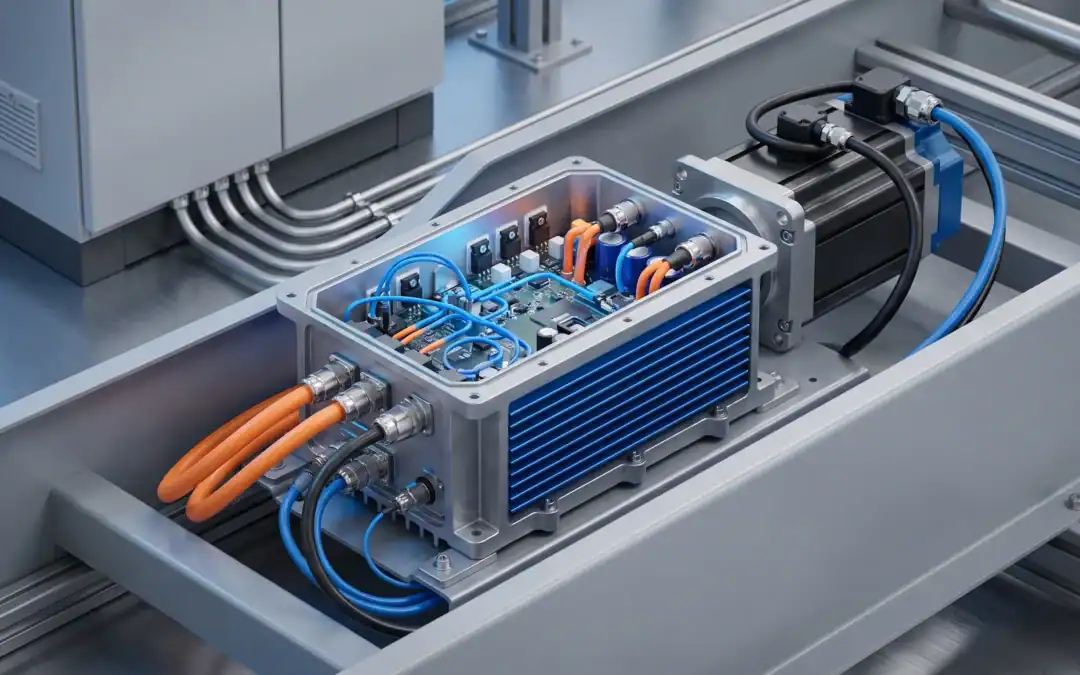
If someone asks, "what is an example of an embedded system in industry?", one of the clearest answers is an embedded motor drive controller used inside a machine, robot, pump, winch or automated production line. It is not a general-purpose computer added as...
Aug 21, 2026
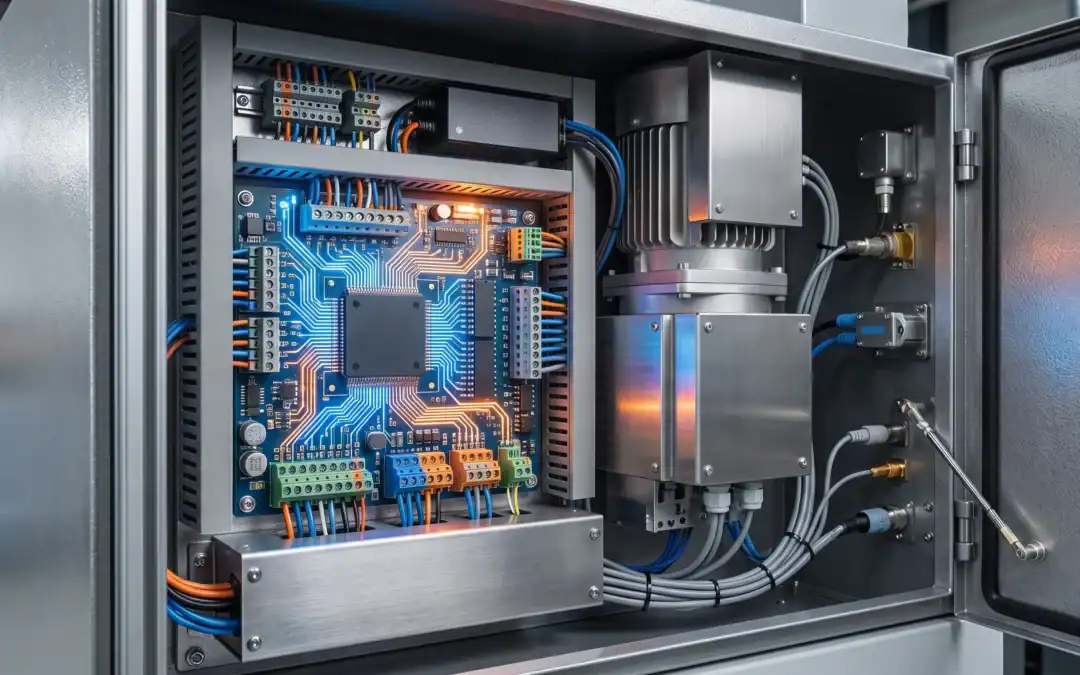
An embedded system is the part of a product that gives it controlled, repeatable behaviour. It is usually hidden from the user, but it determines whether a machine starts safely, a sensor reports accurately, a motor drive reacts in time or a connected device survives...
Aug 21, 2026
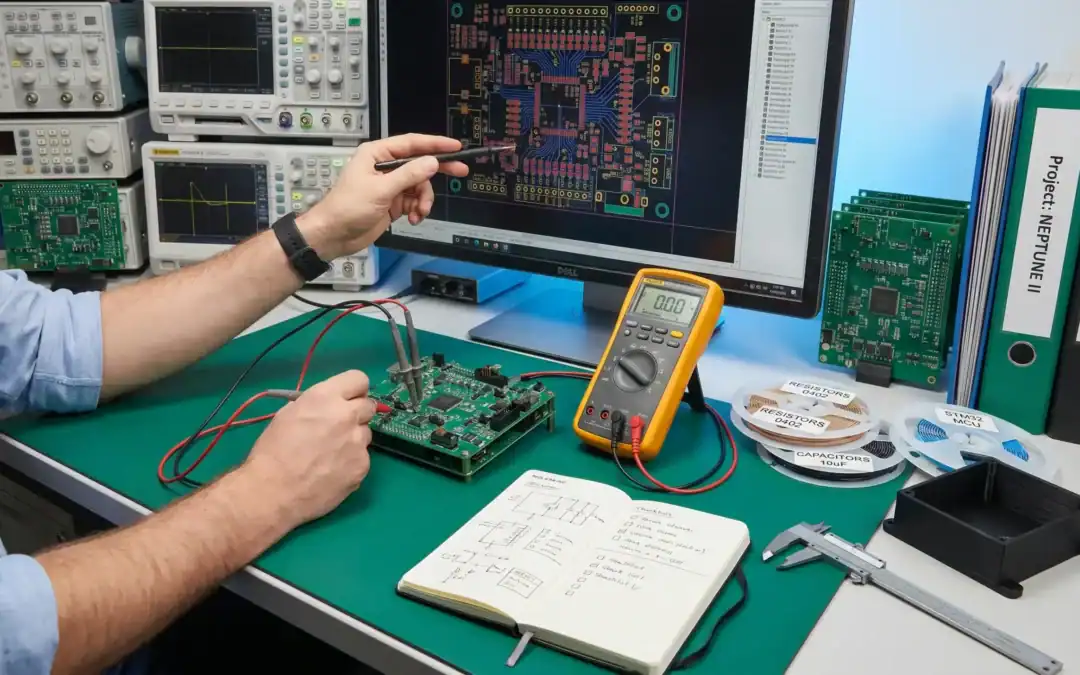
Selecting a PCB assembly manufacturer is not just a purchasing decision. For OEM products, it is a technical risk decision that affects reliability, certification readiness, field performance, service costs and the ability to scale production without repeated...
Aug 21, 2026
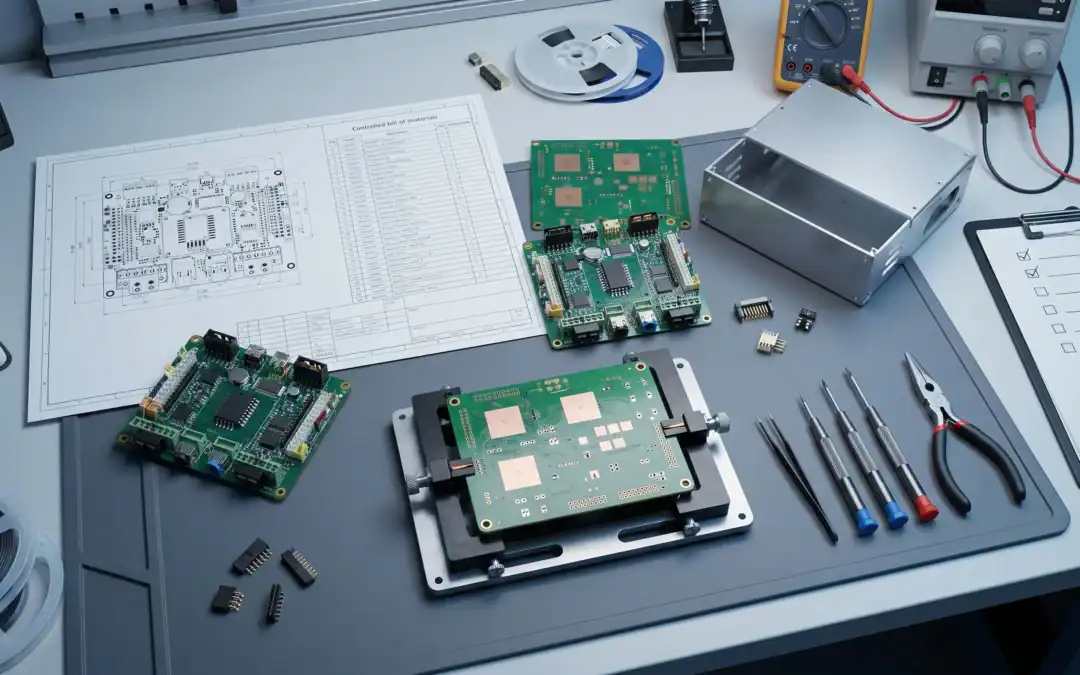
Costly PCB rework rarely begins on the assembly line. It usually starts earlier, when requirements are incomplete, the bill of materials is treated as purchasing admin, test access is forgotten, or mechanical constraints are not considered until the enclosure arrives....