How to Work with an External Electronics Design (PCBA) Partner
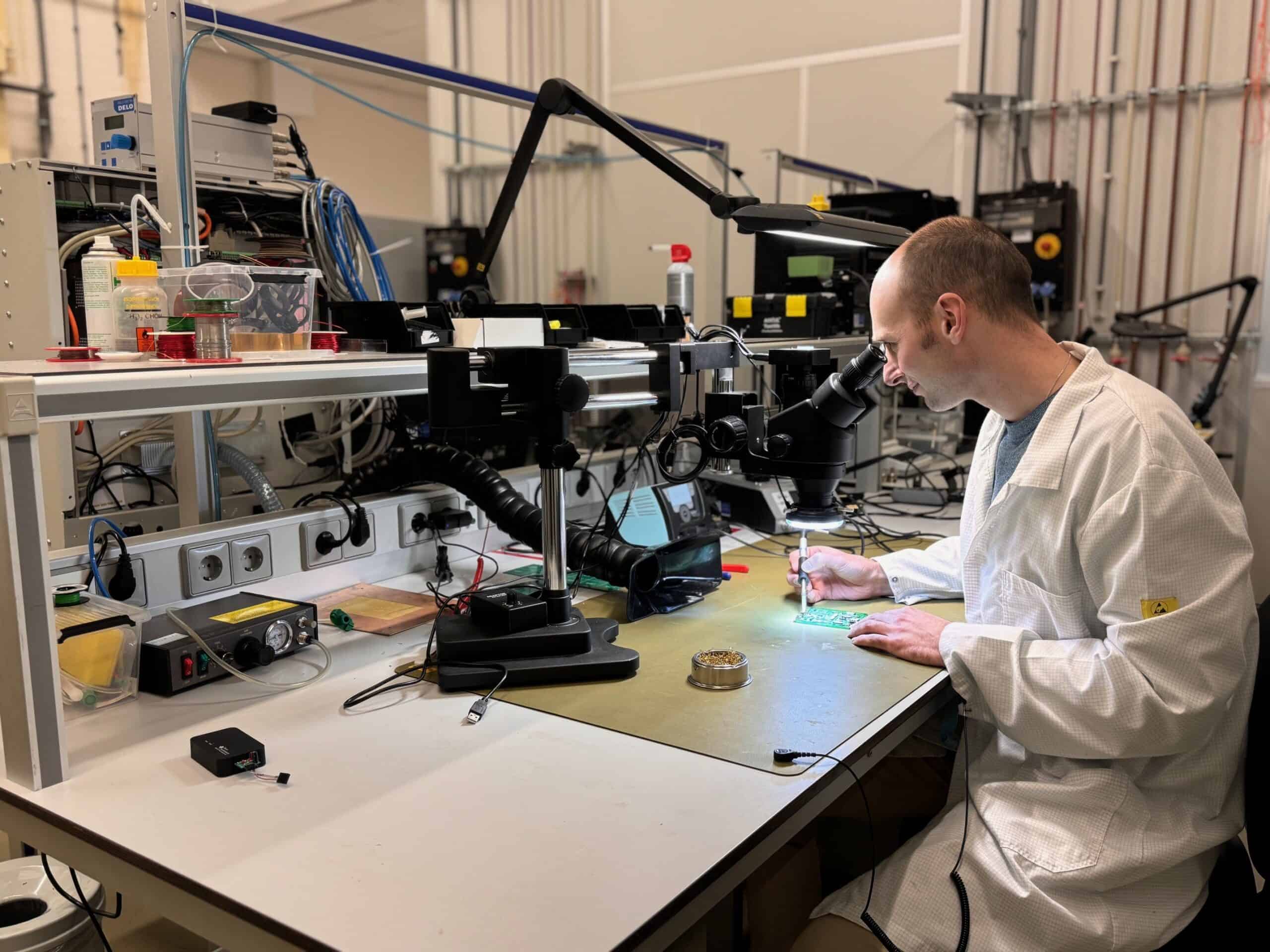
In the world of OEM products, everything revolves around quality and reliability. The products you deliver as a manufacturer must not only meet the highest customer standards but also be technically flawless. This is especially true for electronics: the assembled printed circuit boards (PCBAs) are often the most critical component of a product.
Not every company has that expertise in-house. In this article, we share practical tips for finding and collaborating with a reliable PCBA partner — ensuring your product is not only feasible but also cost-effective and future-proof.
Why Choosing the Right Electronics Design Partner Matters
To safeguard the quality of your product, the electronics must also meet all required standards and manufacturability criteria. When that expertise is not available internally, the choice of an external electronics design consultancy or electronics design service becomes crucial.
A strong partner brings more than technical skills: they contribute strategic insight, helping you balance design complexity, cost efficiency, and certification requirements.
Collaborative Thinking in PCBA Design
An experienced electronics design company does more than just technical design. They think along with you throughout the entire process — from feasibility and prototyping to certification, cost control, and production.
A good power electronics PCB design or embedded system only has real value if it is practical to produce and financially viable. Whether you are developing electronics for a new product or optimizing an existing solution, close collaboration with your PCB assembly partner helps turn an idea into a successful, manufacturable product.
Four Tips for a Successful Collaboration with a PCB Assembly Partner
1. Take Time for a Thorough Preliminary Phase
It may sound obvious, but too often companies want to see results too quickly. As a result, essential steps in the early phase are skipped. Every hour not invested in sharpening the requirements will cost you double or even four times as much later in the design or production stage.
Take the time to clearly define your goals, constraints, and focus areas. A solid preparation phase always pays off.
At ProMicro, we use an ideation track: a pressure-cooker approach that, in three short phases, provides answers to business needs, high-level requirements, and high-level architecture.
2. Build Trust and Transparency
A strong collaboration is built on trust. You know your market and product, while your electronics design partner contributes technical expertise and process experience. Ensure there is clarity up front about your market needs, objectives, development budget, and target cost level.
By being transparent about expectations and limitations, you create space for genuine innovation, which leads to a better product. Feasibility studies or proofs of concept can also be valuable investments, provided they fit within a clearly defined framework.
3. Define Clear Goals and Requirements
High-quality products demand clear specifications. Early in the process, take the time to work with your partner to identify the specific standards and requirements for your product. The better these are defined, the more effectively they can be integrated into the design and architecture.
This prevents unnecessary delays and additional costs later in the electronics design process.
4. Share Knowledge and Intellectual Property Safely
Some companies hesitate to share knowledge with an external development partner, fearing the loss of intellectual property. That is understandable, but with the right agreements in place, this does not have to be a risk.
At ProMicro, we often transfer the product IP to the client after project completion, fully documented and transparent — ensuring full ownership of your electronics design and documentation.
Creating Room for Innovation in Electronics Product Design
A successful collaboration in electronics product design ultimately starts with a proper introduction and the building of trust. By sharing expertise and communicating openly, you create room for innovation and quality.
This is how we design products that not only meet all explicit requirements but also exceed implicit expectations. Whether you want to develop a new PCBA design or improve your current collaboration, the right partner will help you move forward.
Ready to Take the Next Step in Your Electronics Design Project?
Curious about the projects we can take on for you?
Read our client cases here or get in touch with us for a non-binding consultation.